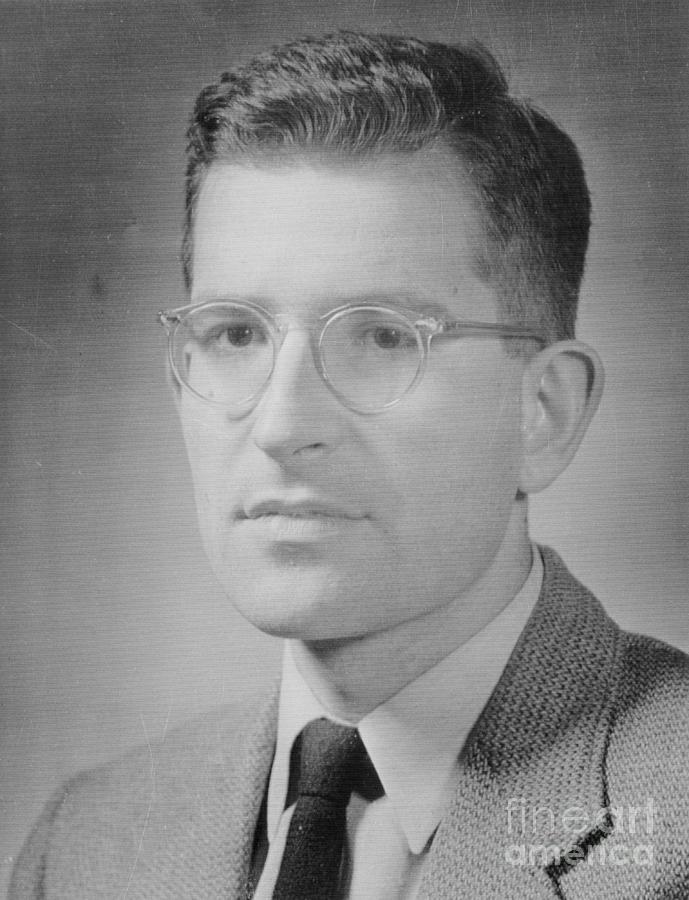
— Anarcho-Syndicalist / Libertarian Socialist
Noam Chomsky.
Linguist, philosopher, cognitive scientist, historian, social critic — and one of the most prominent living advocates of anarcho-syndicalism.
Born in 1928, Avram Noam Chomsky revolutionized the field of linguistics before turning his razor-sharp analytical focus toward state power, corporate media, and US foreign policy. A self-described anarcho-syndicalist, Chomsky draws directly from the tradition of Bakunin and the Industrial Workers of the World — advocating for workers' self-management, the abolition of wage slavery, and the dismantling of the capitalist state.
Anarcho-syndicalism, as Chomsky describes it, holds that the means of production should be placed under the direct democratic control of workers organized in free associations — not managed by a state bureaucracy or owned by private capital. Unions and federations replace hierarchical institutions. Decision-making flows from the bottom up.
His political writing is characterized by an exhaustive reliance on official documentation to indict the very institutions producing them. He strips away the ideological framework of "American exceptionalism" to reveal a state operating according to the brutal logic of power and capital.
Anarcho-Syndicalism in His Own Words
For Chomsky, anarcho-syndicalism is not a utopian dream but the logical extension of Enlightenment values — freedom, solidarity, and human dignity applied consistently. It demands that every structure of authority or hierarchy justify itself. If it cannot—and in his view, most cannot—it should be dismantled and replaced with horizontal, federalist, worker-controlled alternatives.
"Anarchism is... a tendency in human thought which seeks to identify structures of hierarchy, domination, and authority, and to challenge them..."